TALLINN - According to Foreign Minister Margus Tsahkna, the actions of Hungary and Slovakia in blocking the 20th sanctions package are irresponsible, and work is ongoing to move forward quickly with supporting Ukraine and increasing pressure on Russia.
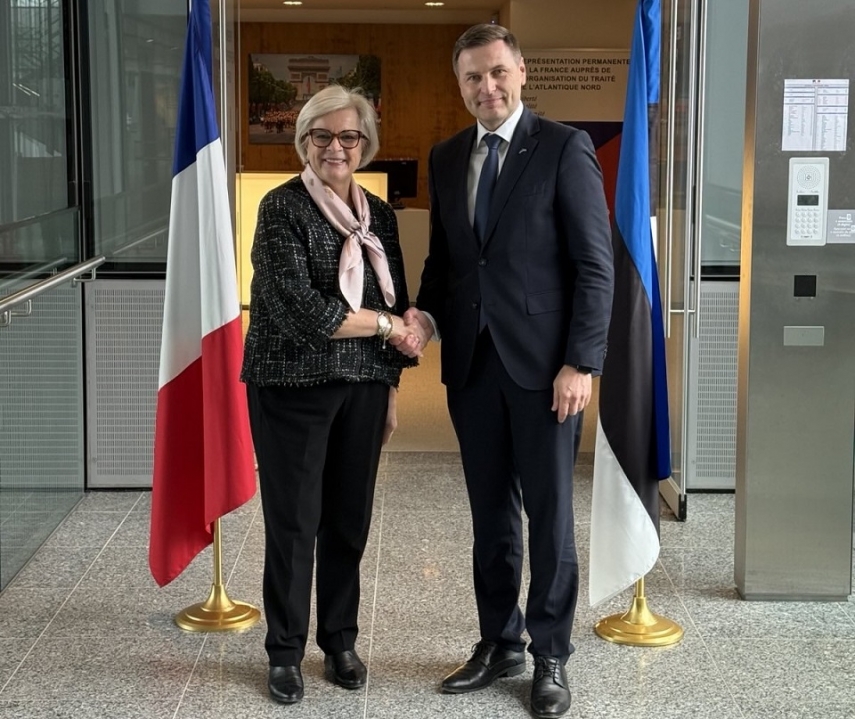
Tsahkna participated in a meeting of European Union foreign ministers in Brussels on Monday, where Russia's aggression against Ukraine and the situation in the Middle East were discussed.
"The atmosphere at today's EU foreign ministers' meeting was tense because while 25 countries are ready to move forward with increasing pressure on Russia, two countries are hindering it. By doing so, Hungary and Slovakia are delaying the achievement of a just and lasting peace, as only by strengthening pressure can Russia be forced to end its war of aggression," Tsahkna said, adding that this not only undermines Ukraine's resilience but also threatens the long-term security of all of Europe.
"Adopting a strong 20th EU sanctions package would make it possible to significantly reduce revenues flowing into Russia's state treasury, meaning Russia would have fewer resources to continue its war against Ukraine," Tsahkna said. "If the 20th sanctions package included a complete ban on maritime services for vessels carrying Russian oil, it would remove approximately one million barrels of Russian oil per day from the world market, which is 20-25 percent of current supplies. The measures in the sanctions package would also limit Russia's ability to circumvent the oil price cap and acquire tankers for its shadow fleet."
"Estonia, along with other European Union member states, will continue its efforts to ensure that a strong sanctions package is adopted in the near future and that it is also possible to move forward with the allocation of the EU's 90 billion euro loan to Ukraine, which the community's leaders agreed on late last year but which Hungary is now blocking," the foreign minister affirmed. "The vast majority of EU member states, however, stand firmly behind Ukraine and are working to increase support and strengthen pressure on Russia."
Tsahkna also raised at the meeting the need to move forward with imposing a Schengen area entry ban on Russian fighters.
"There is a growing understanding that Russian fighters pose a threat to European security, and this must be addressed," Tsahkna said. "Ukraine has also expressed support for Estonia's initiative and called on other countries to join it."
The situation in the Middle East was discussed with Nikolaj Mladenov, the appointed High Representative for Gaza. Foreign Minister Tsahkna emphasized the need to continue implementing the Gaza peace plan and preparing for EU missions. Regarding the situation in Iran, Tsahkna noted that Estonia recognizes the efforts to curb the Iranian regime's nuclear program, which poses a threat to both regional and global security.
"Our focus must remain on both the Iranian authorities' human rights violations against their own population and Iran's support for Russia's war of aggression," Tsahkna emphasized.
Before the foreign ministers' meeting, an informal discussion was held on hybrid threats and foreign information manipulation and interference (FIMI).
"The central goal of anti-FIMI activities is to create an environment that prevents information manipulation. Societal resilience is key here, and its main cornerstones are open and transparent government communication, a free media, and education," Tsahkna said.

Please enter your username and password.

2026 © The Baltic Times /Cookies Policy Privacy Policy