Photo: Makalu from Pixabay
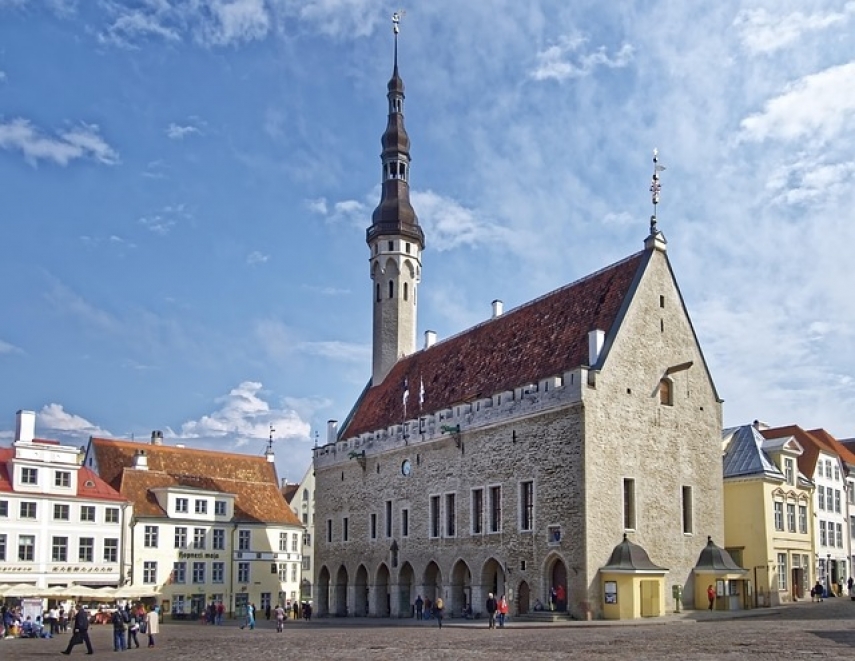
TALLINN - A recent analysis of the economic impact of foreign tourism in Tallinn reveals that the capital has robustly recovered from the downturn of the pandemic years and is now on a path of moderate yet stable growth.
According to mobile positioning data, Tallinn was visited by 3.42 million foreign visitors in 2024. During the same period, accommodation statistics recorded approximately 3.4 million overnight stays by foreign tourists.
The economic indicators for the tourism sector are based on complete data from 2024. Over 34,000 people were employed in tourism-related industries, and companies paid a total of 293 million euros in labor taxes. The combined sales revenue of these businesses amounted to 4.3 billion euros. The analysis confirms that tourism remains one of the most impactful sectors in Tallinn's economy.
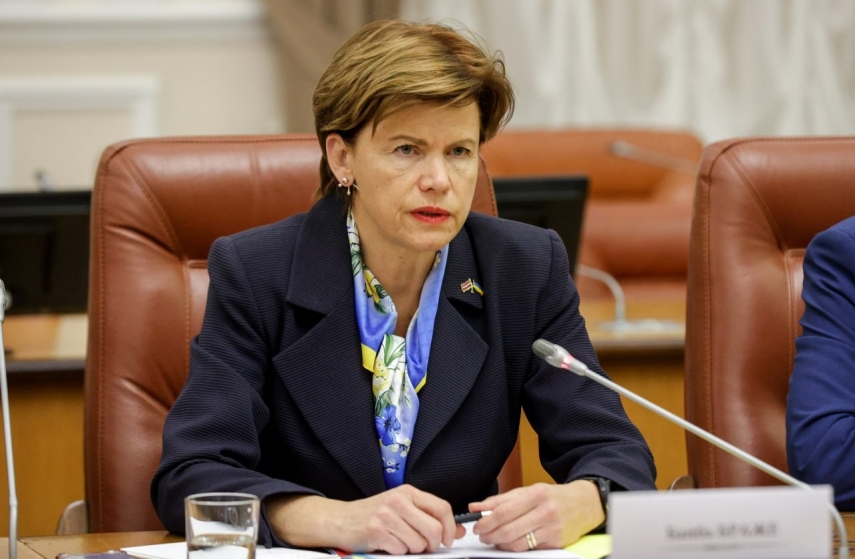
According to Deputy Mayor Kristjan Järvan, tourism is a vital sector for the capital's economy, and the growing visitor numbers clearly demonstrate the strong collaborative effort of the city of Tallinn and the entire tourism industry. "This is a good starting point, but further growth requires targeted efforts, especially during the off-season. That is why we are increasingly focused on bringing conferences and business events to Tallinn, which helps reduce seasonality and provides local businesses with more stable revenue. Attracting conferences and international events is key to maintaining a steady momentum for the tourism economy throughout the year," said Järvan.
A central conclusion of the analysis is that the growth in foreign tourism significantly increases the need for more accommodation capacity in Tallinn. Projections indicate that by 2040, an additional 1,400 to 2,200 rooms will be required to accommodate the expected volume of overnight stays. Tallinn currently has 9,801 rooms.
Additional foreign visitors bring direct economic benefits to the city. Every 10,000 additional visitors contribute an estimated 4.25 million euros in extra revenue to Tallinn's economy, create approximately 48 new jobs, and generate nearly 100,000 euros in additional labor taxes. In 2024, the average foreign visitor spent 245 euros per trip in Tallinn, while a multi-day tourist spent 336 euros.
Tallinn remains the hub of Estonian tourism, accounting for 69 percent of all overnight stays by foreign visitors in the country. The city's tourism intensity-the number of overnight stays by foreign visitors per capita-is also higher than in Stockholm, Riga, Vilnius, or Helsinki. Forecasts suggest that Tallinn could see between 3.26 and 4.21 million overnight stays by 2035, and between 3.40 and 4.28 million by 2040. The largest growth markets are Poland, Italy, and the United States, while Finland continues to be the largest source country for visitors.
The analysis stressed that the development of accommodation capacity must align with the growth of Tallinn Airport and the broader tourism market. During the summer peak season, hotel occupancy already reaches 86 percent, placing limits on the ability to serve an increasing number of visitors. It is therefore crucial to tackle tourism's seasonality and enhance Tallinn's appeal during the off-season to ensure stable revenue for accommodation establishments and other service providers year-round.
Foreign tourism also positively impacts the Estonian economy as a whole. Revenue generated in Tallinn accounts for approximately 76 percent of total spending by foreign visitors across Estonia, and the city's estimated export of travel services reached 1.1 billion euros in 2024. The tourism sector's contribution confirms Tallinn's significant role in the national economy, underscoring that future growth will require strategic planning and investment.
The analysis was prepared by analysts from the Tallinn Strategy Centre's Business Service and is available on the Visit Tallinn website under "Tourism in Tallinn Overviews."

Please enter your username and password.

2026 © The Baltic Times /Cookies Policy Privacy Policy