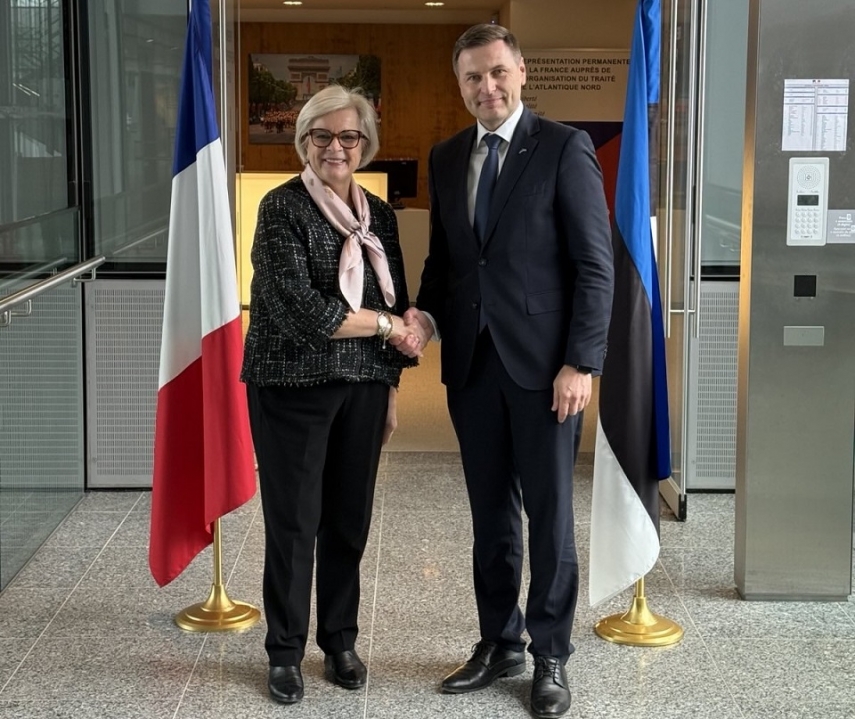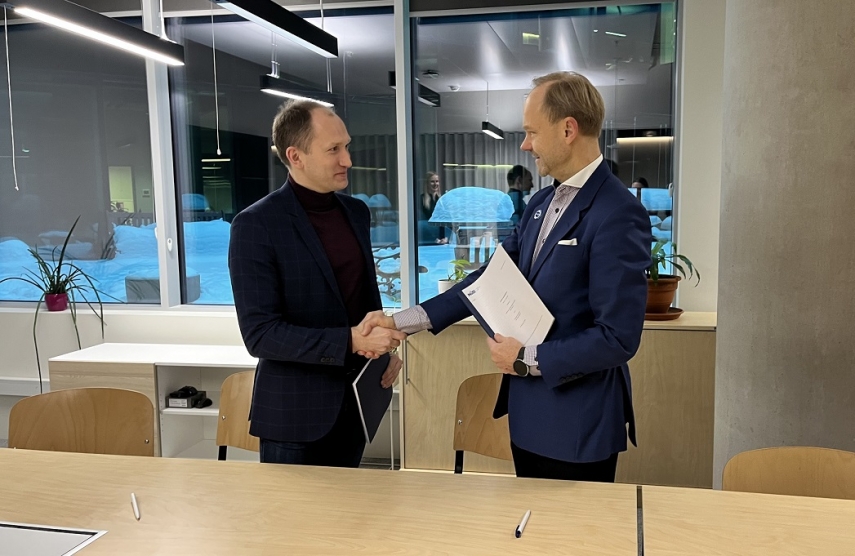
TALLINN - Minister of Justice and Digital Affairs Liisa Pakosta was on a visit to Geneva on Monday, where she stated at a high-level meeting of the UN Human Rights Council's spring session that international law and human rights are currently under immense pressure.
"Russia's cyberattacks against vital infrastructure and the deportation of tens of thousands of children are not just crimes - it is a deliberate strategy to break a nation by attacking its most vulnerable links. The perpetrators must not go unpunished; this must be our common international understanding and unwavering commitment," said Pakosta, speaking on behalf of Estonia.
On the sidelines of the high-level meeting, a side event titled "From Impunity to Justice: Victim-Centered Accountability" was also held, organized by Estonia and the International Criminal Court's Trust Fund for Victims. The event focused on strengthening the rights of victims of international crimes and promoting global cooperation and effective accountability mechanisms.
During the visit, meetings were held with Australia's special representative for human rights Mark Dreyfus, UN Deputy High Commissioner for Human Rights Nada Al-Nashif, and Deputy Secretary-General of the International Telecommunication Union Tomas Lamanauskas.
The protection and promotion of human rights are central to Estonia's domestic and foreign policy. Last October, Estonia was elected to the UN Human Rights Council for the second time for the 2026-2028 term. Membership in the Council provides Estonia with the opportunity to actively contribute to international human rights policy and shape the international value space. Estonia's work in the Council will focus on four priority areas: the protection of children's rights, the promotion of women's rights and gender equality, ensuring human rights in the digital environment, and the protection of media and freedom of expression. The fight against impunity will also remain a key focus for Estonia.
The UN Human Rights Council was established in 2006 by a decision of the UN General Assembly. It is an intergovernmental body tasked with protecting and promoting human rights worldwide. The Council is composed of 47 member states, which are elected for three-year terms. Estonia was previously a member of the Human Rights Council from 2013 to 2015.

Please enter your username and password.

2026 © The Baltic Times /Cookies Policy Privacy Policy