Photo: Kasjan Farbisz from Pixabay
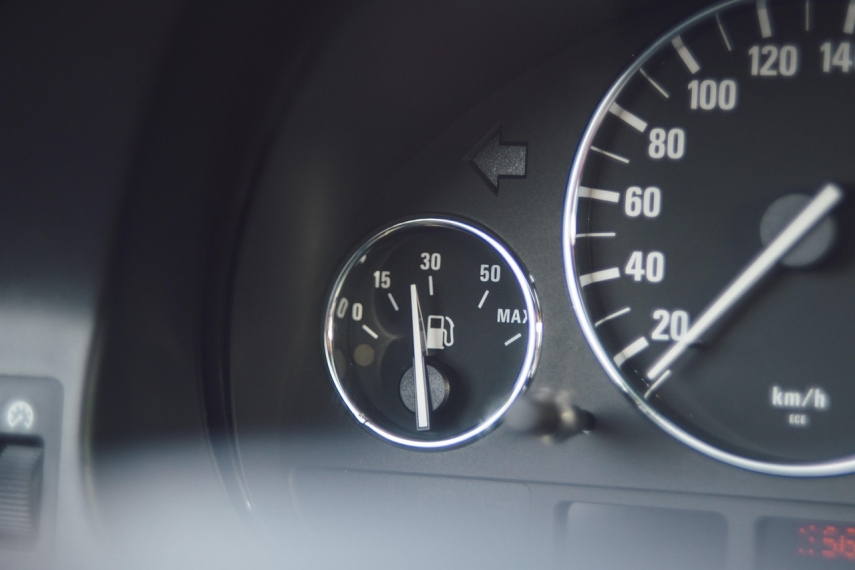
VILNIUS - Lithuanian President Gitanas Nauseda warned on Wednesday that government efforts to curb fuel prices, which have surged due to the Middle East conflict, must be balanced against the impact on the state budget.
"Lithuania has already taken certain measures to slow down the rise in fuel prices. One can argue whether these measures are highly effective, but we must understand that any tax-related measures hit the budget and increase the deficit," Nauseda told reporters on Wednesday following a meeting with Estonian President Alar Karis in Vilnius.
"When assessing the scale of these measures, we must consider that the conflict could be prolonged. Radical changes to the tax system could lead to massive revenue losses and cause fiscal problems," he said.
According to Nauseda, while many countries are taking no action and others are facing "huge financial strain" due to extensive tax breaks, Lithuania is applying limited measures.
The president emphasised that the economic consequences of the crisis could be long-term, with tension in fuel and energy markets persisting even after the conflict ends.
Furthermore, Nauseda stressed the need for continued development of energy resource projects.
"We can see that in such crisis situations, renewable energy production ensures that high oil and gas prices do not translate into electricity prices," the President said. "This is the positive side of the phenomenon; we can expect electricity generation to continue under acceptable conditions and prices, without undermining the competitiveness of our businesses."
For his part, Karis emphasised that the priority should be resolving the conflict and ensuring freedom of navigation through the Strait of Hormuz.
"We should direct our efforts towards ending the conflict so that ships can pass through the Strait of Hormuz safely. Like Lithuania, the Estonian government has expressed its readiness to be present and help resolve this conflict," Karis said.
The Seimas decided on Tuesday to reduce the excise duty on diesel for two months to mitigate price hikes caused by the war in the Middle East, a move expected to lower prices by about six cents. Nauseda signed the amendments on Wednesday.
Last week, the Seimas also began considering a proposal by Nauseda to introduce daily price caps to further address rising fuel costs. The amendments are being considered under an urgency procedure, pending a government evaluation.

Please enter your username and password.

2026 © The Baltic Times /Cookies Policy Privacy Policy