Photo: Alexandra_Koch from Pixabay
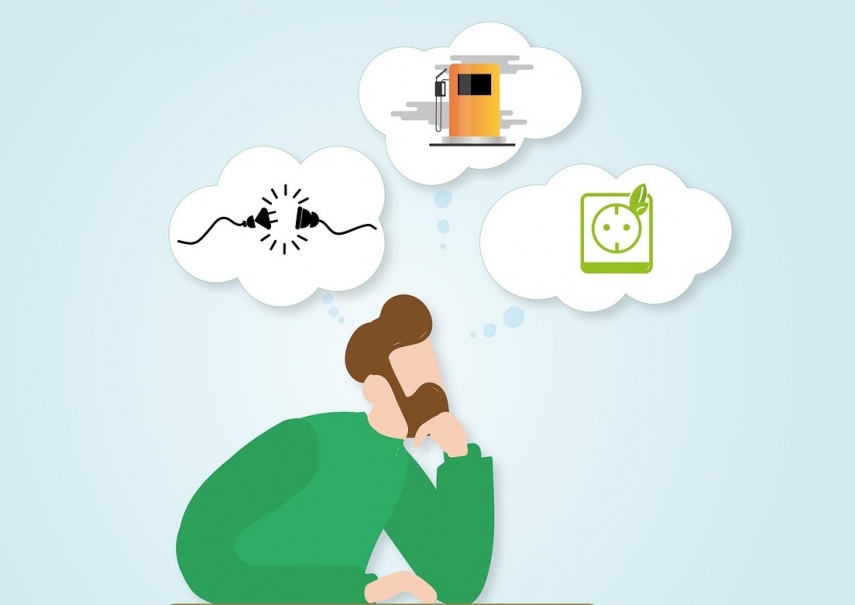
TALLINN - Europe is facing the biggest energy crisis of the century, which requires a faster transition to domestic renewable energy sources.
A recent commentary from the Energy Steering Panel of the European Academies’ Science Advisory Council (EASAC) emphasizes that the radical transformation and integration of the energy system is a strategic necessity.
Discussions are intensifying in Europe on how to mitigate the impact of rapidly rising energy prices, ensure security of supply, and restore affordability and industrial competitiveness. The commentary offers an action plan and highlights how integrating renewable energy sources and modernizing the electricity grid infrastructure will enable faster decarbonization, reduce dependence on volatile fossil fuel markets, alleviate grid congestion, and lower energy costs.
How integrating the energy system helps alleviate the energy crisis: linking end-use sectors through the electrification of heating, transport, and industry, and adopting thermal energy storage reduces the use of fossil fuels and thereby costs; increasing grid flexibility and appropriate voltage and frequency control reduce dependence on fossil fuel-based backup generation; smart energy systems help align daily energy consumption with solar power generation and optimize energy storage for nighttime use, reducing the need for grid reinforcement with its associated costs and permitting delays.
Enn Lust, a member of the EASAC Energy Steering Panel and an academician, emphasized that creating opportunities for the combined use of different energy sources and types - including the generation and storage of both solar and wind electricity, as well as storing thermal energy near the point of consumption - helps reduce energy transmission costs and thereby mitigate the inevitably continuing price increases.
"One of Estonia's significant problems is the rapid increase in both electricity and thermal energy transmission fees. This has at times already led to a situation where small producers have to pay for the electricity they sell to the central grid. From a national security standpoint, the development and implementation of decentralized energy production and related thermal and electrical energy storage solutions is crucial, especially in crisis situations," he said.
EASAC brings together the national science academies of the European Union member states, Norway, Switzerland, and the United Kingdom to jointly advise European policymakers.

Please enter your username and password.

2026 © The Baltic Times /Cookies Policy Privacy Policy