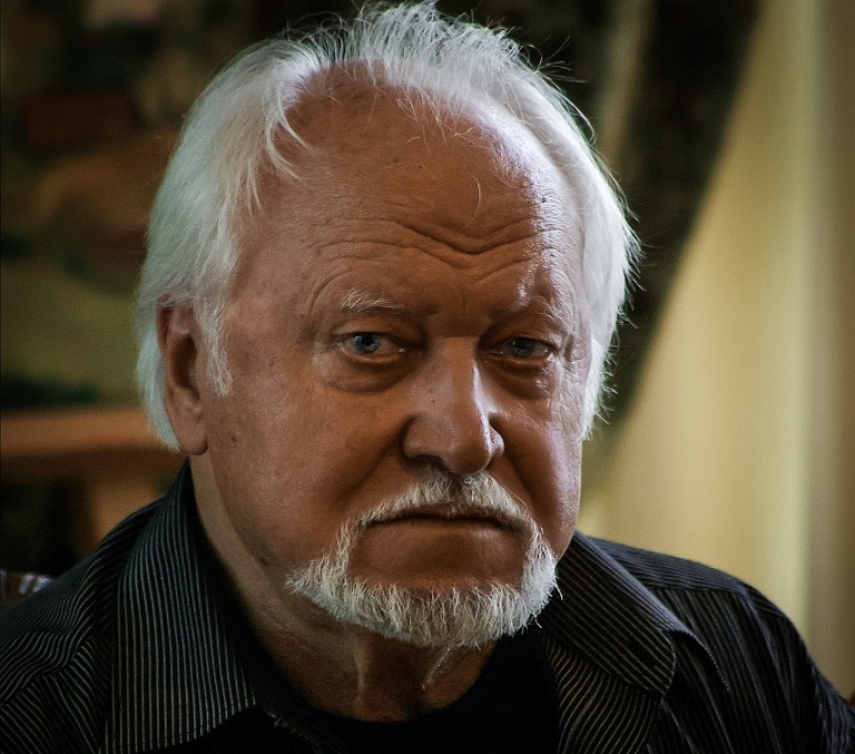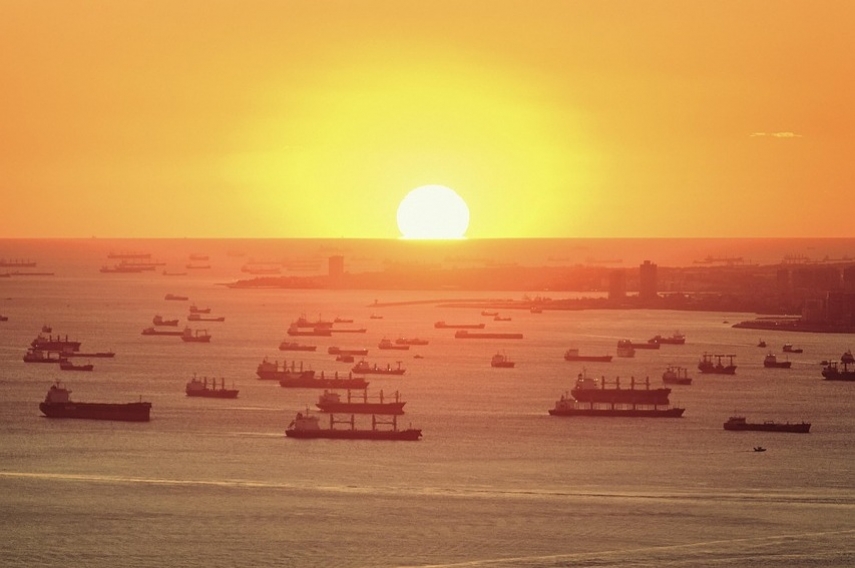
RIGA - It is absolutely clear that European Union (EU) countries must play their part in unblocking the Strait of Hormuz, European Parliament member Ivars Ijabs (For the Development of Latvia) said in an interview with Latvian Television.
Because Europe is actually the region most dependent on the oil that comes through this passage, and also on gas. The other question is by what means (it gets involved), the Latvian MEP said, stressing that the issue is on the table.
According to Ijabs, US President Donald Trump's accusations against the EU and NATO on this issue are not particularly well argued. He also commented that "nobody asked for advice" from Europe or even from NATO when this war started.
The MEP also hopes that the Americans will be sensible, namely, that they need partners and cannot simply call others names and look for conflicts of various kinds.
Asked to what extent the EU is prepared for continued instability in the Middle East and the lasting impact on both security and the economy, Ijabs admitted it is not. Because we are already stagnating economically, among other things because of already high energy prices, he explained.
In his words, the overall conclusion is very clear to many, namely that Europe should not be so vitally dependent on any fossil energy sources. We need to think about renewables, including nuclear energy, Ijabs stressed.
As reported, the EU on Thursday called for a moratorium on strikes energy and water supply facilities in the Middle East war.
The call comes after attacks on the Middle East's oil and gas industry sent global markets reeling.
EU leaders also condemned any action that endangers navigation or prevents ships from entering or leaving the Strait of Hormuz.
They welcomed the increased efforts announced by member states to ensure freedom of navigation in the Strait of Hormuz as soon as the conditions are met.
The EU pledged to protect its security and interests from the impact of hostilities in the Middle East, including preventing a repeat of the 2015 migration crisis.
Also on Thursday, six internationally influential countries said they were ready to facilitate safe navigation in the Strait of Hormuz, but three of them stressed that this initiative would only be implemented after a ceasefire.
France, Germany, Italy, Japan, the Netherlands, and the United Kingdom stated that they were ready to facilitate appropriate efforts to ensure safe navigation through the Strait of Hormuz.
This group of countries welcomed the commitment of the countries involved in the preparatory planning and strongly condemned the recent Iranian attacks on unarmed merchant vessels in the Gulf.
France, Italy, and Germany later made it clear that what was being discussed was not immediate military assistance but a potential multilateral initiative after a ceasefire.
Iran has effectively blocked the Strait of Hormuz to shipping during the war.

Please enter your username and password.

2026 © The Baltic Times /Cookies Policy Privacy Policy