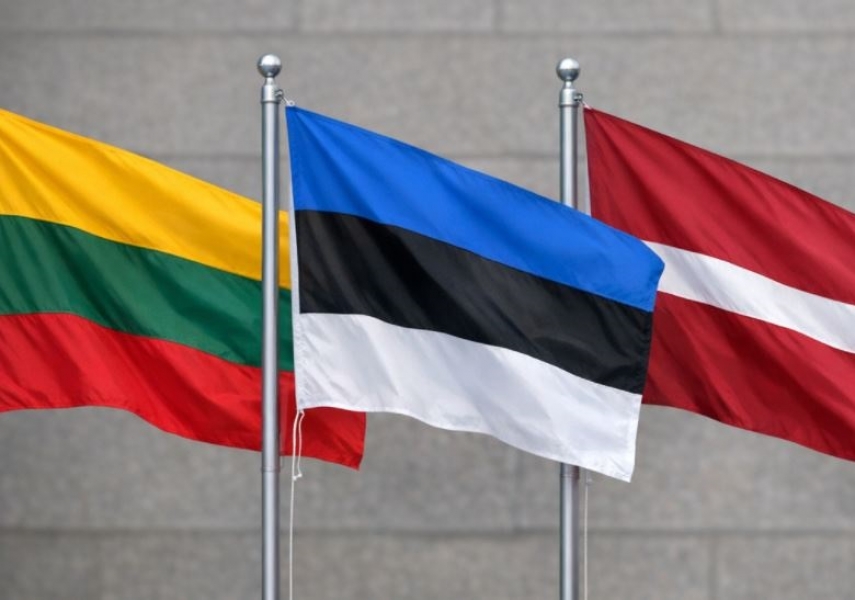
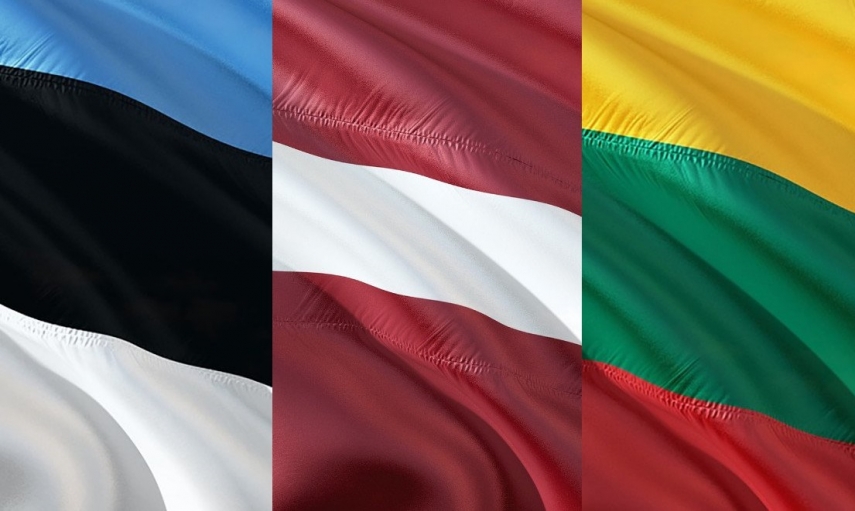
RIGA - Latvia, along with Estonia and Lithuania, as a member of the International Energy Agency (IEA), is ready to use oil reserves, a joint statement of the Baltic Energy Ministries said.
Latvia, Estonia and Lithuania welcome the decision of the IEA and its member states to launch a voluntary collective action on the use of emergency oil reserves, the statement said.
Lithuania, Latvia and Estonia will thus take the next step of national decisions on the release of emergency oil stocks to the market, setting the size, timing and other necessary parameters to maximise the positive impact on both the market and consumers and to effectively manage the current oil price increases.
Latvian Climate and Energy Minister Kaspars Melnis (Greens/Farmers), Estonian Energy and Environment Minister Andres Sutt, Lithuanian Energy Minister Zygimantas Vaiciunas and Latvian Economics Minister Viktors Valainis (Greens/Farmers) have discussed the IEA joint action in recent days and support participation of the Baltic countries in the joint action to release oil stocks.
According to Valainis on the X platform, Latvia is ready to release fuel reserves together with the other Baltic countries, so on Thursday, March 12, the economics ministry will discuss with fuel traders the amount of fuel available on the market. "The aim is to reduce the retail price of fuel," said Valainis.
The statement said that IEA member states will take coordinated action to secure 400 million barrels, equivalent to about 54 million tons of oil equivalent, on the market. The collective action will send a united and strong signal to stabilize the global oil market, the ministries said.
The Baltic countries' coordinated release of emergency oil stocks and proactive measures at all levels aim to stabilize global oil markets, especially at this time of market uncertainty, and to reduce security of supply risks in countries most affected by the disruption of international trade routes, which is particularly acute in the East Asian region.
While the Baltic region's oil security has not been directly affected so far, the ministries clearly see wider economic impacts as global energy markets remain highly interconnected and all regions react immediately to price signals.
At the same time, persistently high oil prices remain a concern for households, businesses and economies across Europe, including in the Baltic states. Given the interdependence of the Baltic countries on oil prices, the ministries believe it is important that any intervention in the market is mutually coordinated, the ministries stressed.
The coordinated release of emergency oil stocks is expected to help limit oil price increases, which is a key short-term objective that requires the urgent implementation of all relevant measures.
At the same time, the Baltic energy ministers express their solidarity with the regions where energy security is directly affected and where urgent measures are needed to ensure an uninterrupted supply of fuel. Coordinated international actions, such as the collective action of the IEA, demonstrate the importance of cooperation and shared responsibility in addressing disruptions in global energy markets and limiting oil price increases at both regional and national levels, the statement said.
The Baltic states also support the IEA executive board's recommendation to coordinate use of reserves with measures needed to restore transit through the Strait of Hormuz, including the US measures on insurance and military convoys.
The Baltic states continue to work with international partners to strengthen energy security, improve market stability and ensure reliable energy supplies and the most competitive prices for consumers.
As reported, IEA announced on Wednesday, March 11, that its member states will release 400 million barrels of oil from reserves to mitigate the impact of the Middle East war.
"The oil market challenges we are facing are unprecedented in scale, so I am very pleased that IEA Member States have responded with unprecedented extraordinary collective action," said IEA Executive Director Fatih Birol.
"Oil markets are global, so the response (...) must also be global," Birol added.
At an emergency meeting today, 32 countries "unanimously agreed to release 400 million barrels of oil from their emergency reserves to address the disruption in oil markets caused by the war in the Middle East", the statement said.
It also said that "the emergency stocks will be placed on the market for a period of time appropriate to each Member State's circumstances, with some countries supplementing them with additional emergency measures."
The amount of oil that IEA member states plan to put on the market is well above the 182 million barrels of oil they put on the market in 2022, when Russia launched a full-scale invasion of Ukraine.
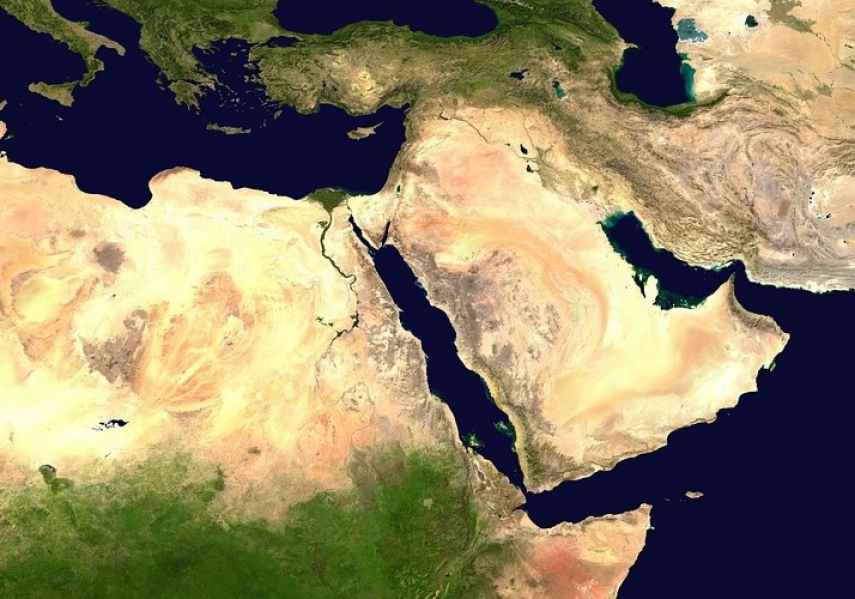
The US-Israeli attack on Iran and Iran's strikes on the Gulf states have led to a sharp rise in oil prices as several countries have cut oil production and tanker traffic in the Strait of Hormuz, through which a fifth of the world's crude was shipped, has almost stopped.

Please enter your username and password.

2026 © The Baltic Times /Cookies Policy Privacy Policy